
Computer Vision in Archaeology Training School Wraps Up in Brno
September 14–18, 2026 - Brno, Czech Republic
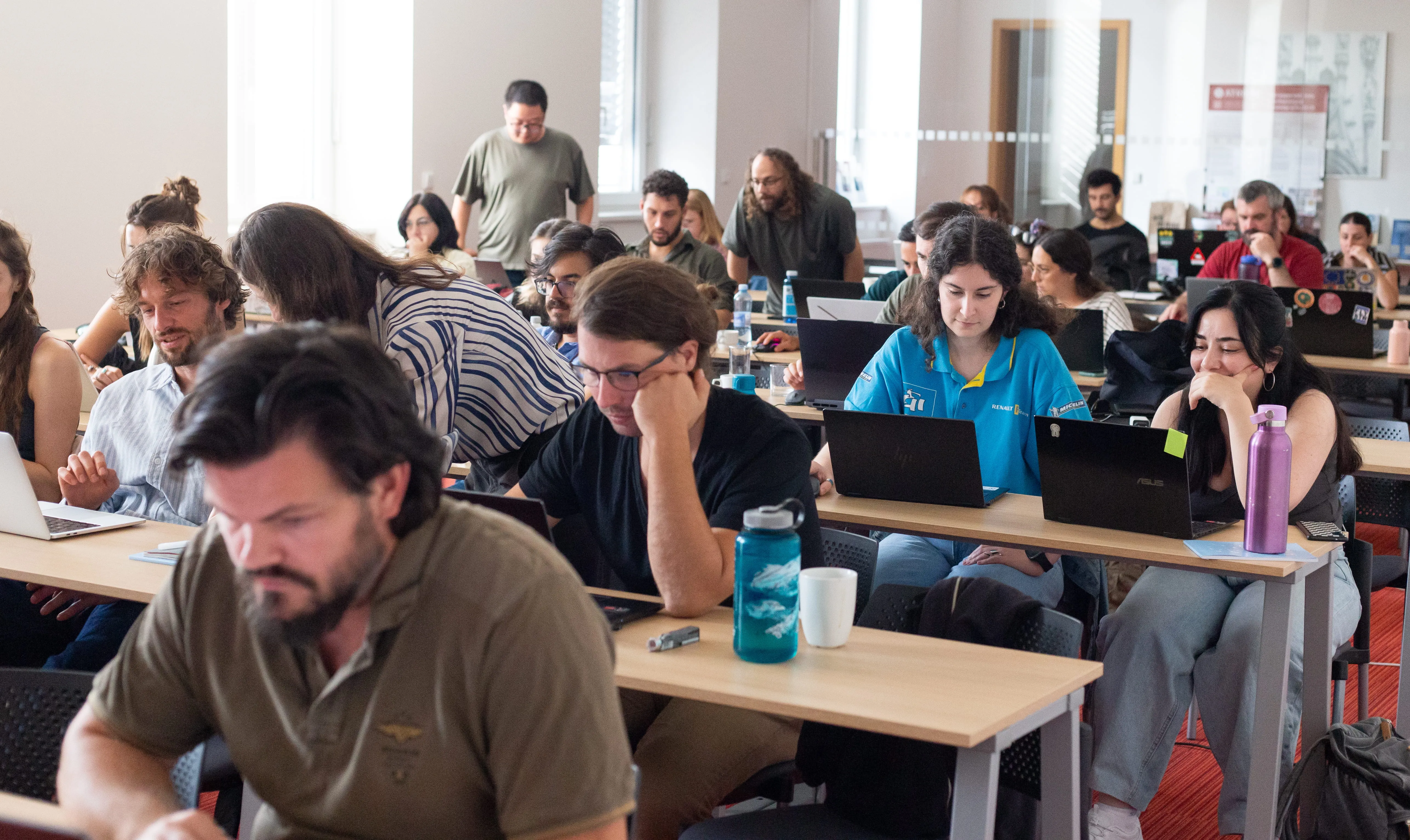
The Institute of Archaeology of the Czech Academy of Sciences in Brno hosted an intensive training school on computer vision in archaeology, bringing together 29 participants from across Europe for five days of hands-on learning at the intersection of machine learning and archaeological practice.
The school was organised as part of the ATRIUM Project’s Transnational Access (TNA) scheme, hosted by the Archaeological Information System of the Czech Republic (AIS CR) research infrastructure, and co-organised with the MAIA COST Action project. In total, 22 participants were funded through ATRIUM and 7 through MAIA, which also provided funding for several of the school’s instructors.
As archaeological visual data, from drone surveys and excavation photography to museum collections continues to grow in volume, the ability to process and interpret it computationally is becoming an increasingly valuable skill for archaeologists. The programme was designed to guide participants from the fundamentals through to practical experience with modern object detection and image segmentation techniques.
What participants learned
The week began with an introduction to programming and Python, before moving into AI agents and the process of building a model for image annotation. Participants then put these skills into practice by annotating three very different types of imagery: archaeological artefacts, microscopic photographs, and satellite images. This gave them a broad sense of how the same core techniques can be applied across the discipline.
A number of participants also shared their own research projects with the group. The full list of presentations is available on the Materials page of the event.
Beyond the classroom
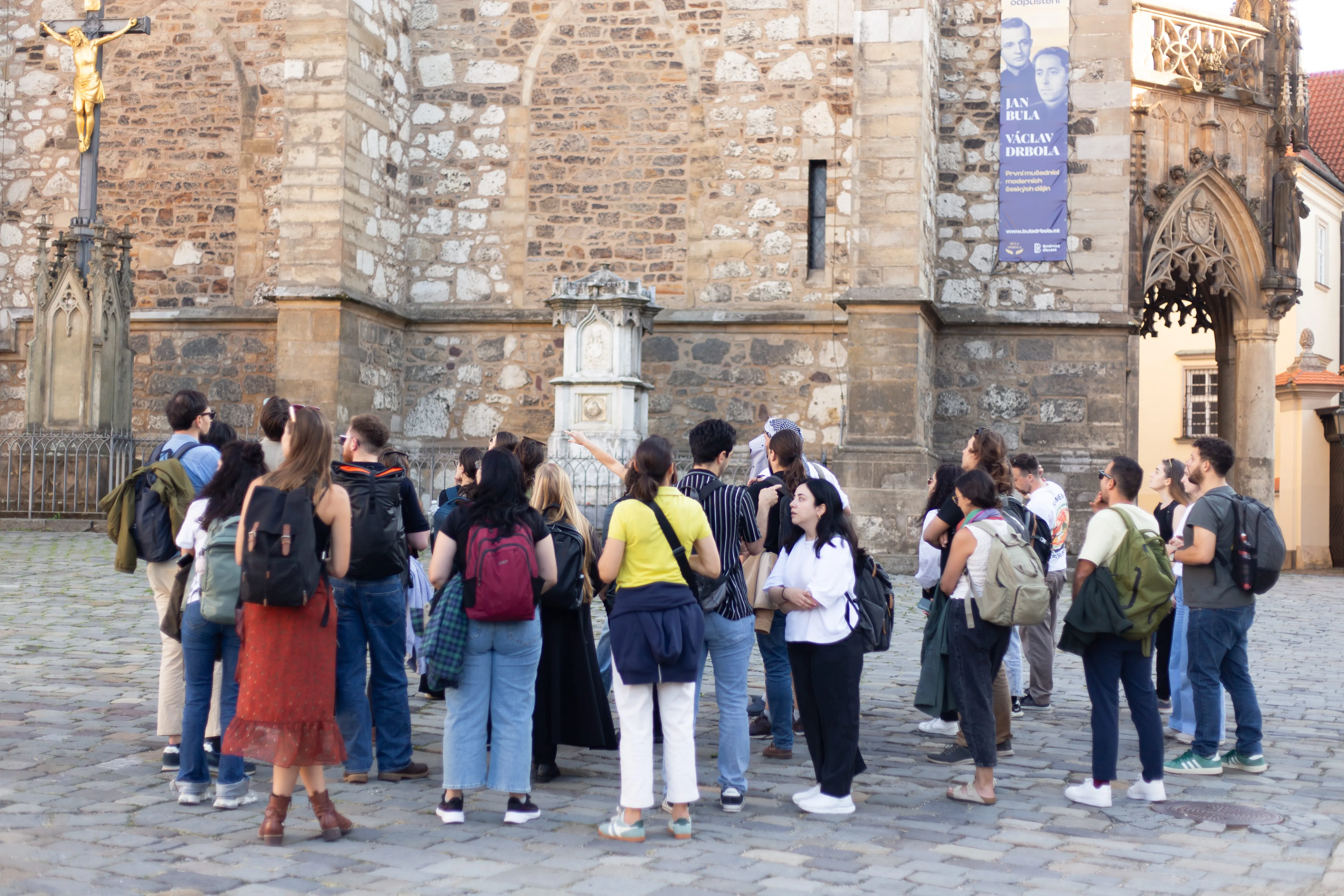
Besides the main programme, participants enjoyed a social evening and joined a guided tour of Brno’s city centre including the visits to the archive and laboratories.
\