
Exploring Computer Vision in Archaeology
Introduction
From the 14th to the 18th of September, I had the privilege to join the Computer Vision in Archaeology training school at the Institute of Archaeology, Czech Academy of Sciences in Brno. My participation was made possible by the ATRIUM Transnational Access Scheme, which aims to enhance accessibility to digital research infrastructures spanning diverse disciplines, languages and media within the arts and humanities. With an impressive group of 30 participants, we were taught about the possibilities, applications and limitations of Computer Vision (CV) when applied to archaeological datasets.
Day 0: Beginnings at Brno
I arrived at Brno a day early, which gave me the opportunity to explore the city and visit some of the more famous sites. Since my hostel was right in the city center, I was able to step out the door and follow the street towards the impressive Cathedral of St. Peter and Paul. That evening I went out for a bite to eat on the Freedom Square and had an early night to prepare myself for the first day of classes.
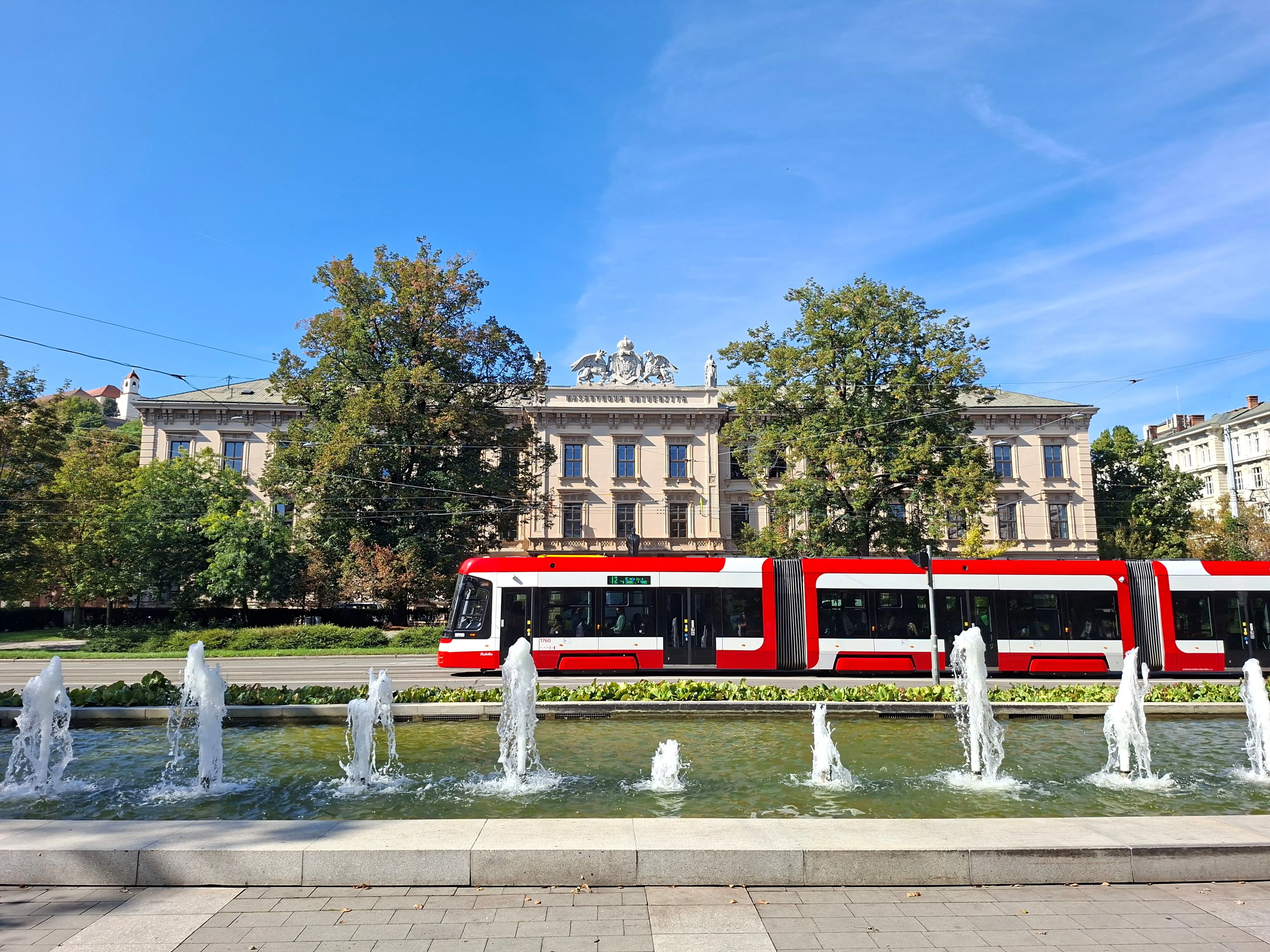
Exploring Brno: Masaryk University
Day 1: Introduction and Ice-Breaker
The first day started with an introduction of the instructors, organizers, support team and participants. I was impressed by the wide range of disciplines, specializations and nationalities within the group. The morning consisted of an introduction to CV, where we learned about discriminative versus generative models, CLIP zero-shot classification and the semantic gap between what a specialist sees and what the computer does. We discussed the application of CV for our own data within smaller groups first, then shared our findings with the class. After the lunch break, we continued with the possibilities of using AI (sub)agents within your IDE, especially how to set up a safe, controlled environment where you yourself oversee the agents’ behavior. I was amazed by the potential of AI agents and look forward to experimenting with my own data and code. We ended the day with a speed-course on python, which was a nice way to recollect the wide array of coding syntax. Afterwards, we were rewarded with an ice-breaker event. The organization had planned an incredible spread of snacks and drinks, and it was a great opportunity to get to know the other participants.
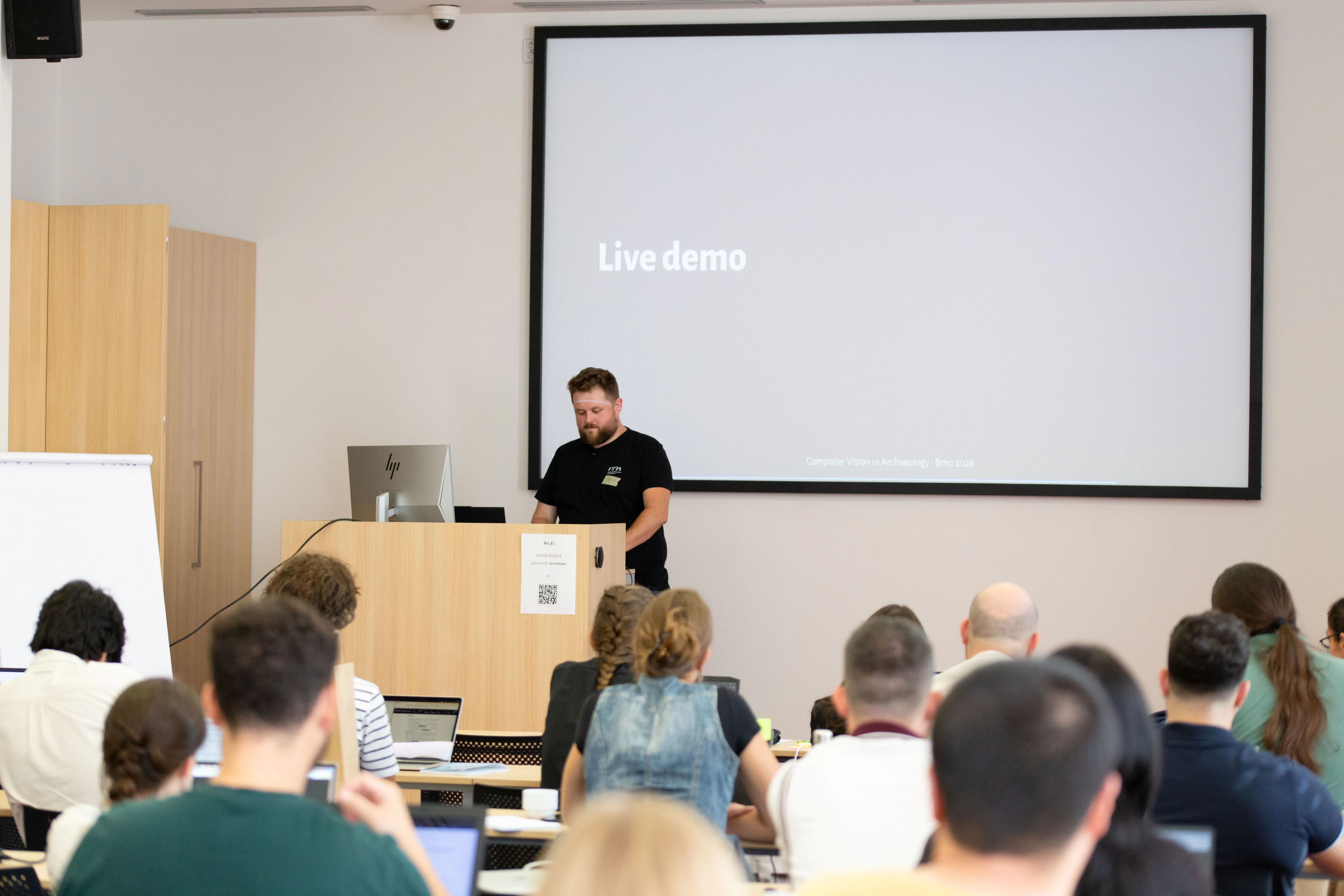
Introduction by Petr Pajdla
Day 2: Artefacts and Architecture
The second day was dedicated to data annotations, implemented on an artefact dataset. We were taught about different annotation tools and the importance of high-quality data and informed labelling. As they say in CV, garbage in, garbage out. We applied this knowledge by annotating artefacts in the CVAT practice environment. In the afternoon, several participants presented their own research and how they hope to apply CV in their project. It was fascinating to see that markedly distinct research questions sometimes call for similar practical solutions. Hearing about the different projects and approaches was both very interesting and inspiring. We finished the day with an incredible city walk and visited all the famous buildings, plazas and monuments. We learned about the history, archaeology and mythical stories of Brno, and how they often intertwine. The tour ended at a pub, where we drank Czech beers and got to know each other better.
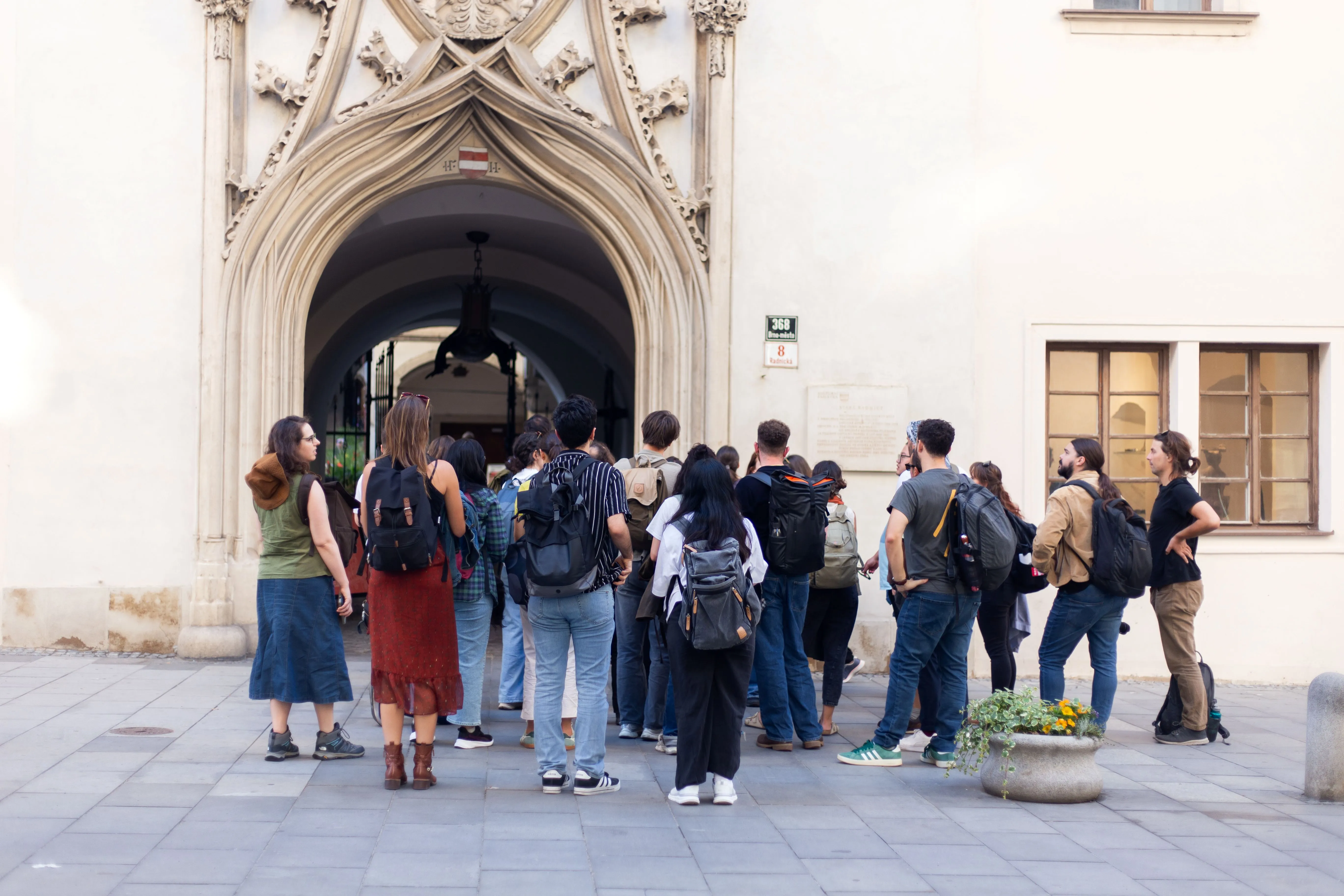
City tour at Old Town Hall
Day 3: Microscopy and Music
On Wednesday we discussed data standardization, pre-processing and augmentation. These concepts were put into practice on a microscopy dataset, where data quality, consistency and sufficiency can vary greatly. We learned about the structure of images, how pixel intensities can be visualized using histograms, and the issues that can arise from poor image quality. During the lunch we were treated to a tour through the labs. I was fascinated by the equipment available at the institute and their impressive findings, as well as their standardized and systematic workflows. After the break, we worked on the microscopy dataset in a coding environment. We were taught how to apply functions that are used to clean, pre-process and augment image datasets. In the evening, the organizers had prepared an incredible meal, including delicious desserts and drinks. The group had become so comfortable that we even started singing songs from our different countries, accompanied by guitar. All in all, a magical ending to the day.
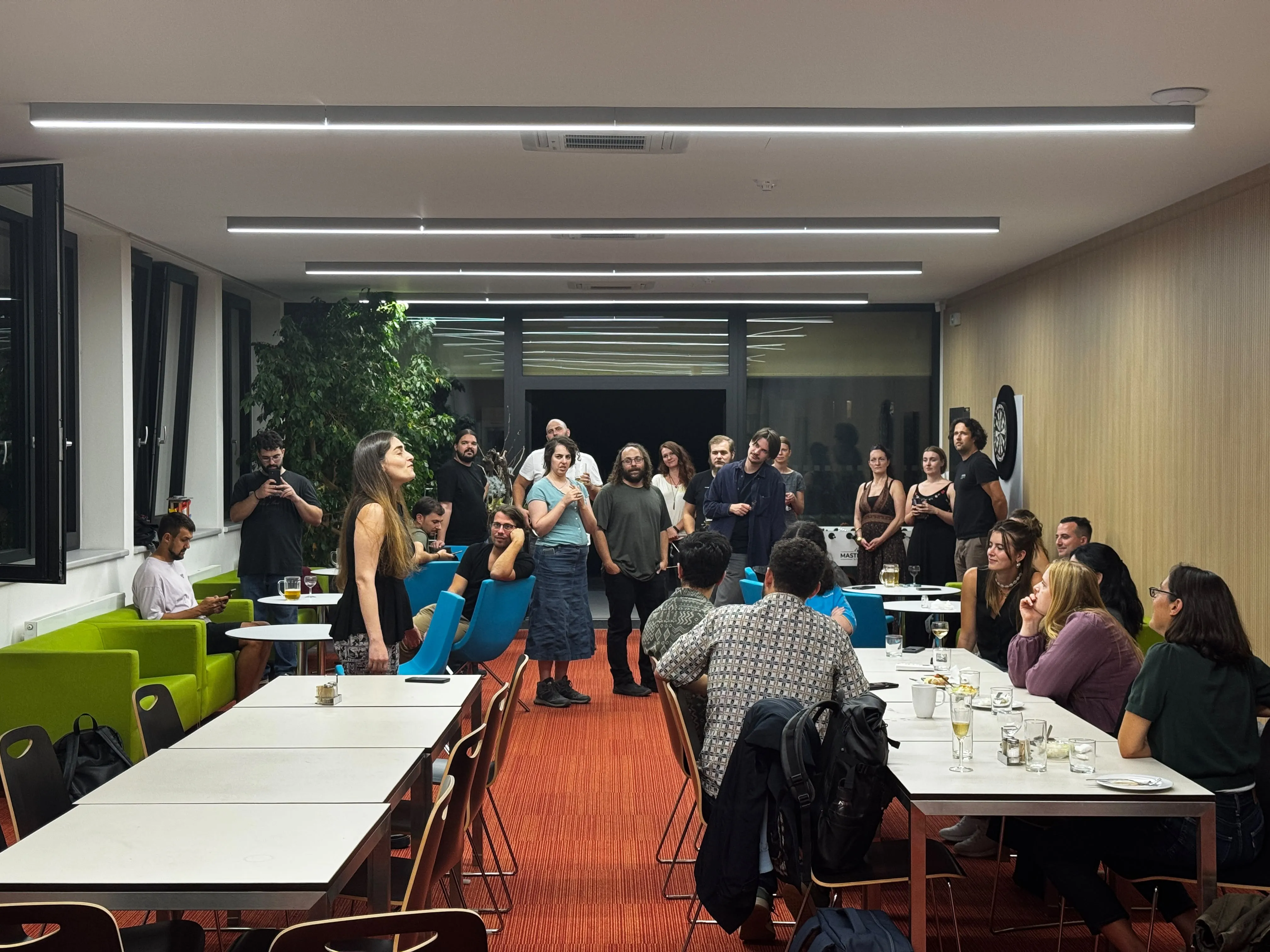
An evening of food, drinks and singing
Day 4: Satellites and Stone-Art
On Thursday morning we covered satellite imagery and the potential of multi-spectral datasets. In a coding pipeline, we were taught to read and check raster data, visualize and create image composites, generate NDVI values and locate archaeological anomalies through background removal and line/ridge enhancement. This session was more technically demanding due to its greater emphasis on coding, yet it was highly instructive and provided valuable insights. During the lunch break we were able to visit the extensive archives at the institute. In the afternoon, we discussed the issues that arise with rock art datasets and how to solve or avoid these problems in a CV project. We saw some beautiful examples of rock art that highlighted the complex nature of these datasets. After class, I went for a run to revisit some of the city sights from the tour, which proved quite challenging due to the steep incline. We met up with a part of the group to have drinks at the Vegetable Market Square and go out for dinner.
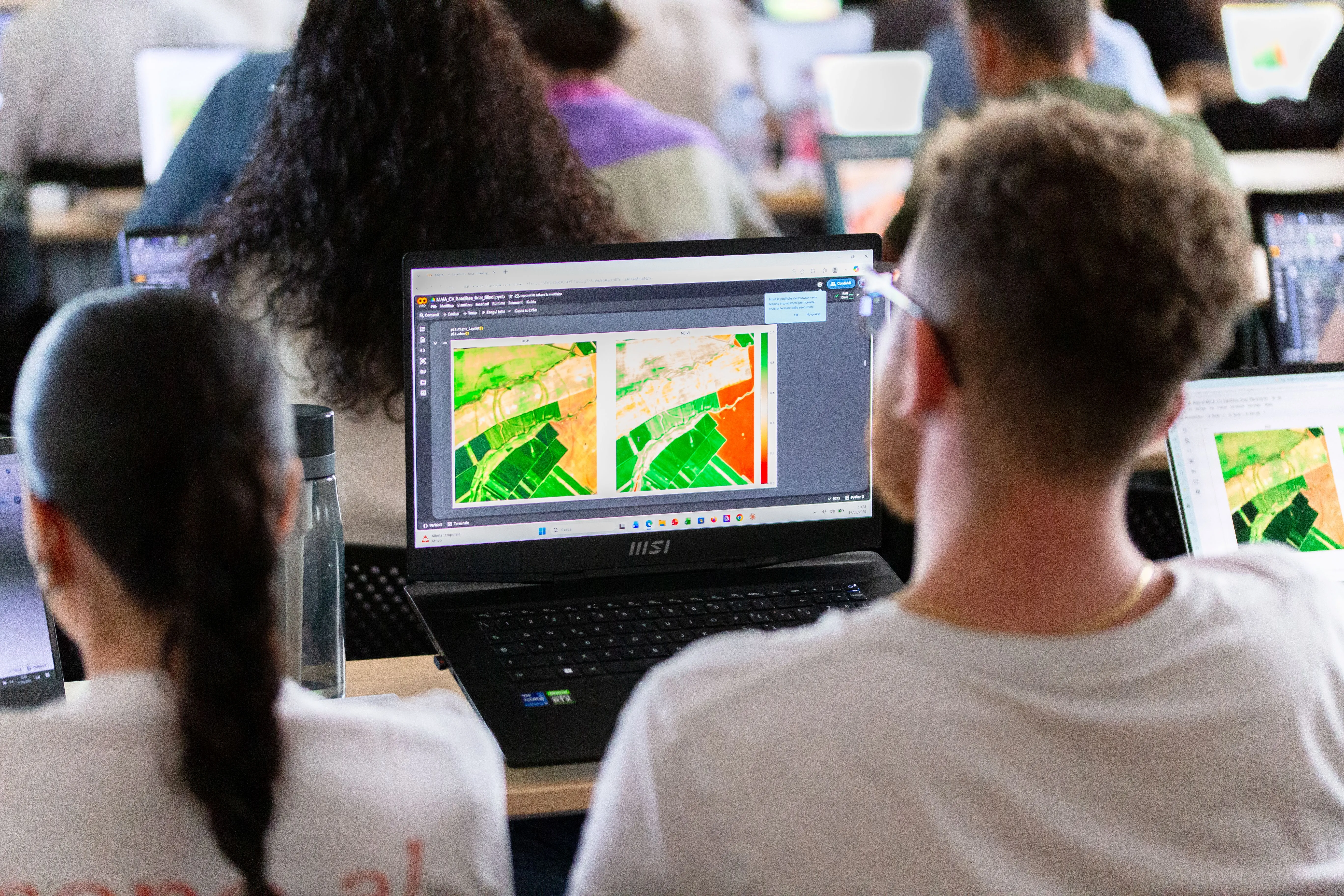
Visualization and enhancement of satellite data
Day 5: Coins and Ciao’s
On the last day, we discussed problems and possible solutions of applying CV to an archaeological coin dataset. It was a great way to combine the knowledge we had collected over the course of the week and evaluate how a real-world project handles troubleshooting and code implementation. We ended the course by exploring HuggingFace, and how we can find and assess CV models suitable for our own projects and datasets. To celebrate finishing the course and the ending of an incredible week, we went out for lunch with the group and visited the chocolate store for a sweet dessert. In the evening we went out for food and drinks at the Market Square again, and one by one everyone left to go home. We concluded the week at the Freedom Square Oktoberfest tents with a Czech beer. It was the perfect time for the last of us to say goodbye to each other and Brno.
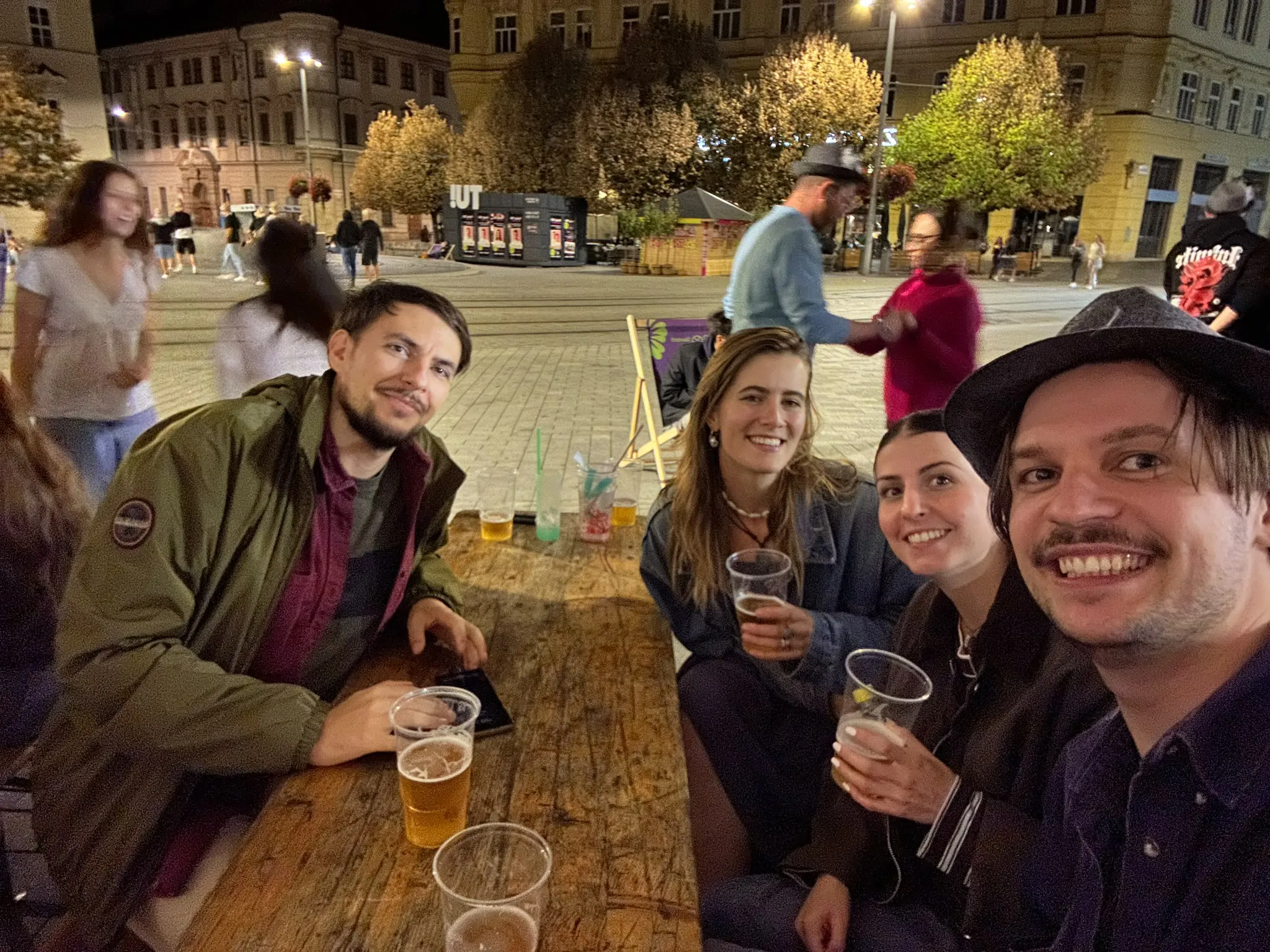
Final goodbyes at Freedom Square
Day 6: Bye, Brno!
After saying goodbye to the group yesterday, I still had Saturday morning to do some exploring of my own. I went to visit the castle grounds of Špilberk Castle, which had an incredible view of the city. The park was beautiful and grounding, a perfect ending to this week filled with stimulating classes, amazing people and great scenery.
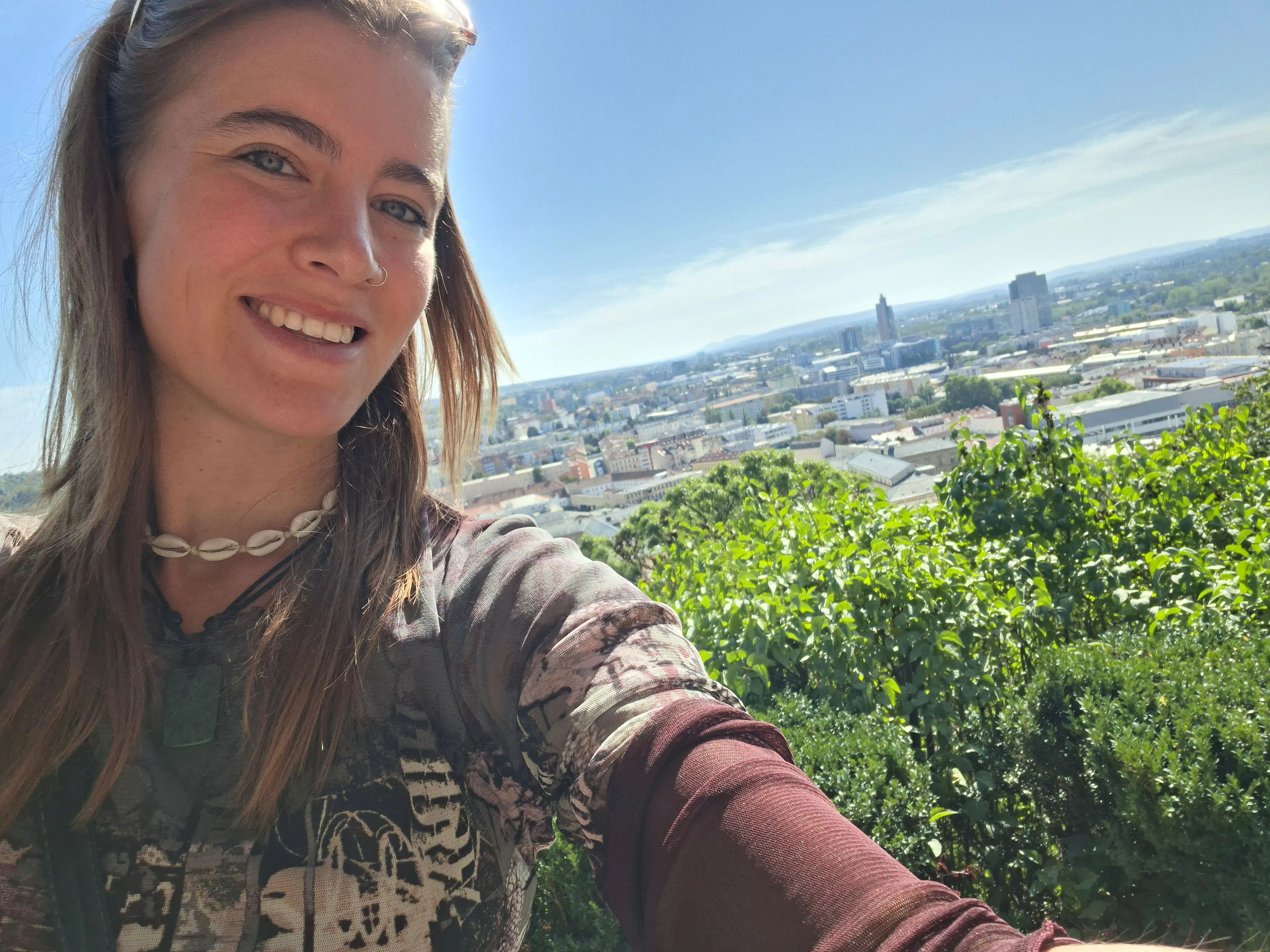
Beautiful view of Brno from Špilberk Castle grounds
Lessons Learned
CV is a broad and challenging field, making it difficult to cover all its aspects in a single week. Nevertheless, the instructors managed to not only teach us about the key concepts and components but also provide us with the space to discuss and process the information. My goal for this week was to gain a better understanding of the inner workings of CV models, enabling me to develop and validate them independently. The clear theoretical and practical instruction significantly enhanced my skills and gave me greater confidence in working with CV models. The variability of proposed datasets and case studies, as well as the participants’ projects were inspiring and stimulating. Finally, I would like to highlight the safe and supportive learning environment created by both the instructors and the participants. Although we began the summer course as strangers, we said our goodbyes as friends. Many thanks to the instructors, organizers, organizations and participants whose contributions made this enriching experience possible.
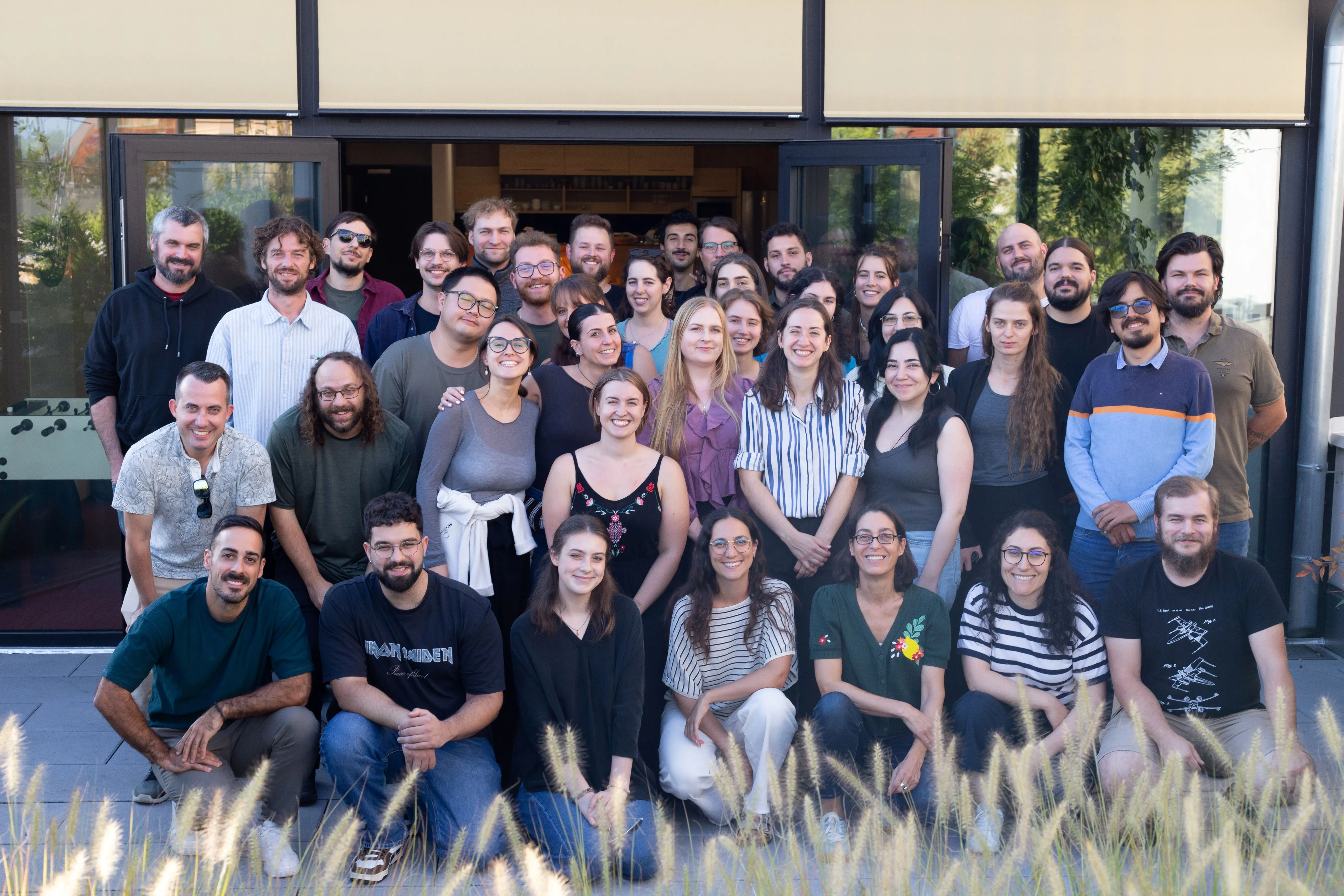
Group photo of the participants